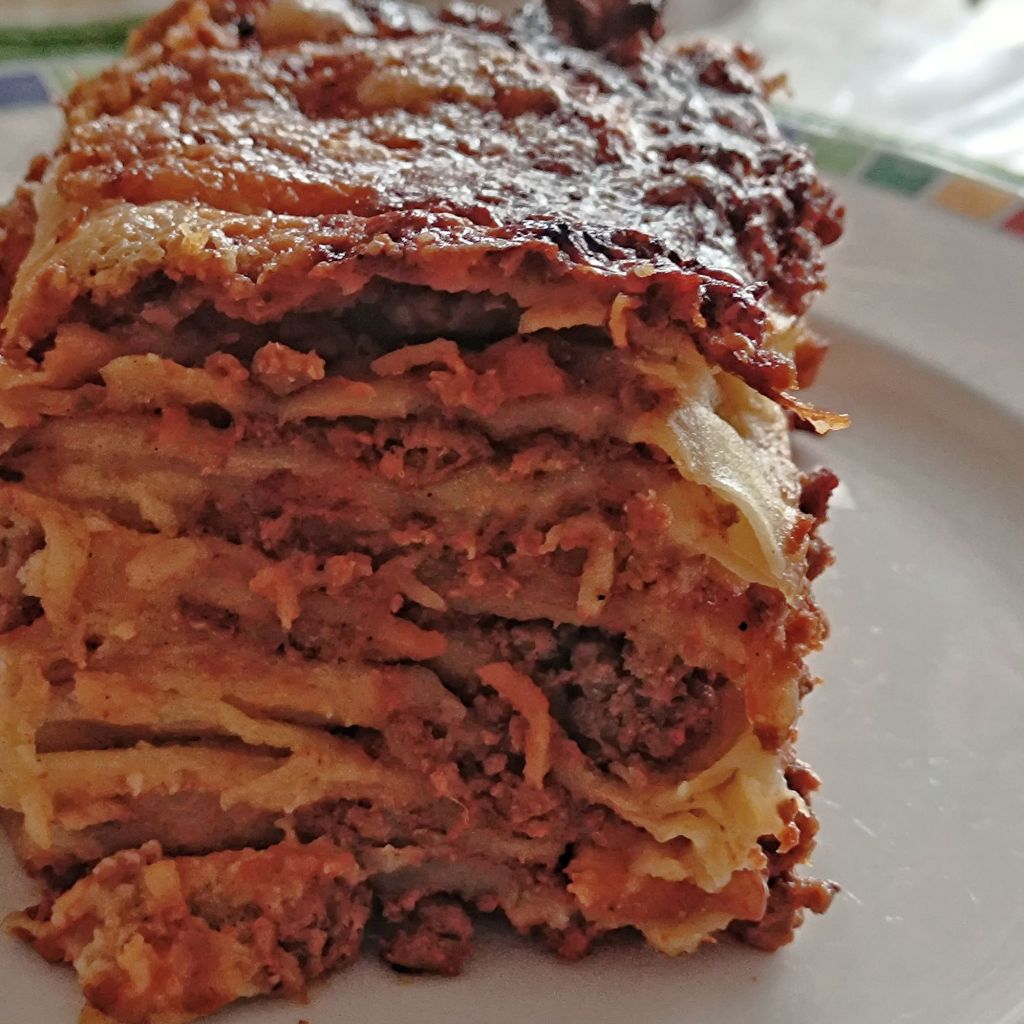
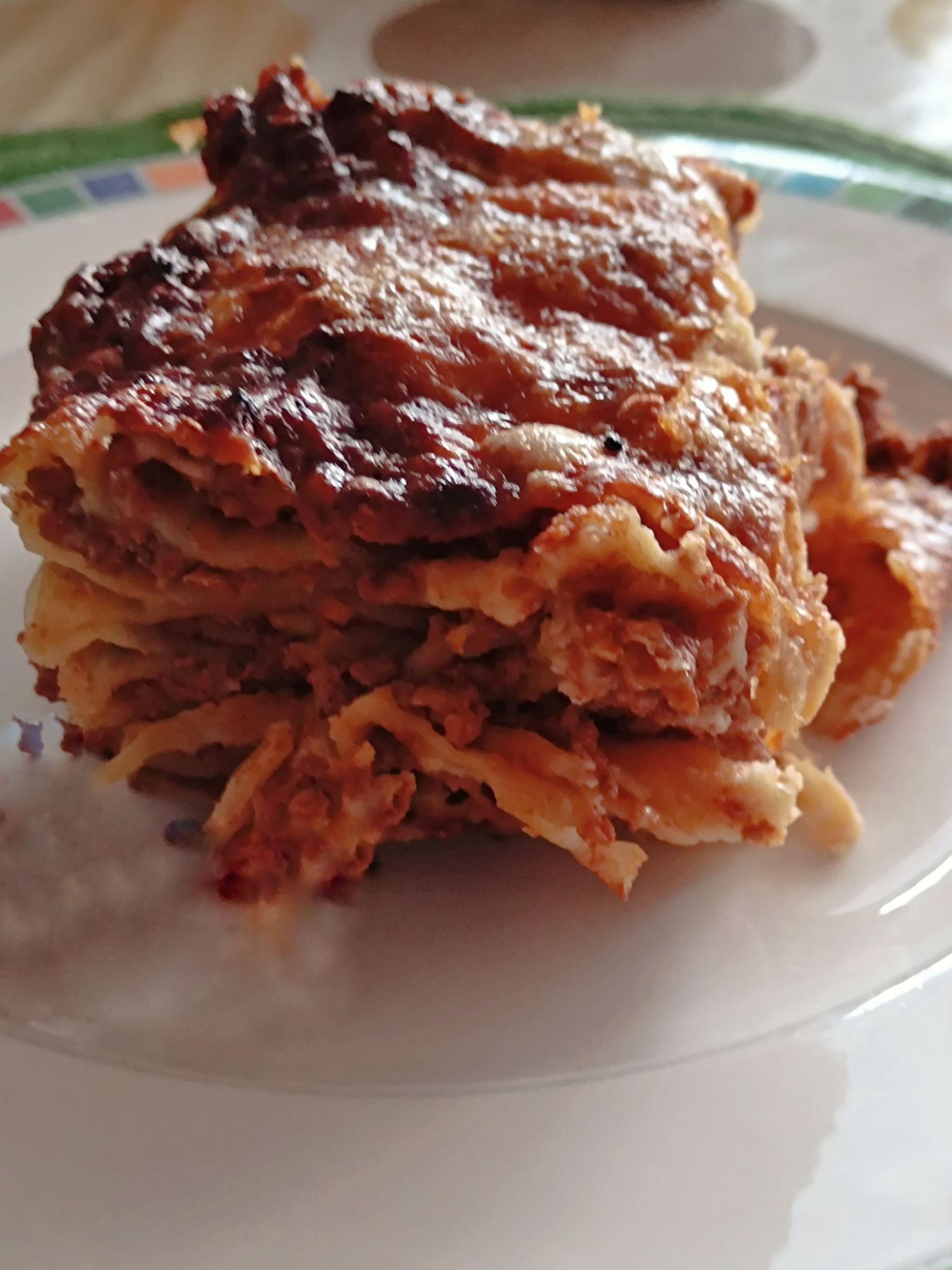
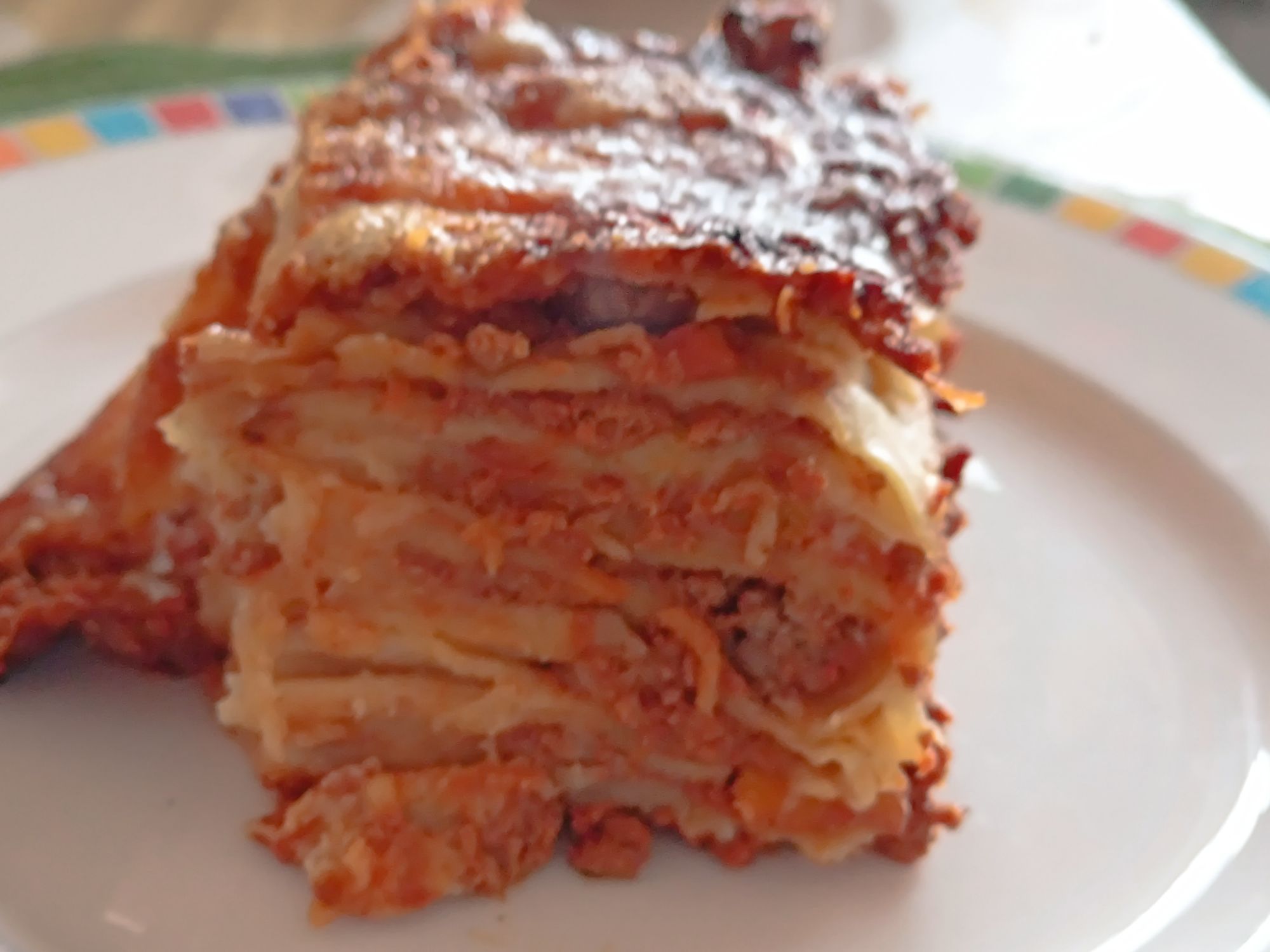
Lasagne are one of the most famous dishes in the world. While in the USA the version with ricotta ismore popular (and originally comes from southern Italy), and several other regional variations exist in Italy, the default Italian (and consequently European) version are lasagne alla bolognese: lasagne sheets, ragú alla bolognese (classic Bolognese sauce), bechamel and parmesan.
Their history dates back to the 13th century and they are one of the world’s best loved, iconic and widely known dishes. While not hard to make, they do require a bit of time – anything under a total of 3 and a half hours would be “incorrect”. If you make your own lasagne sheets, even more than that. I live in Croatia and have the luck that fresh, handmade lasagne sheets are readily available at farmer’s markets so in my recipe those are used. If you want to make them from scratch, I suggest to stick to the classic recipe for handmade pasta: 1 egg per 100 g of 00 flour, plus pinch of salt.
So, here is my recipe, with four small twists (clearly noted) with respect to the traditional version.
Suitable for: Lasagne bolognese are neither vegan nor vegetarian nor kosher. If made only with beef they are halal though. They contain glutene, eggs and lactose, but they do not contain nuts, soy nor shellfish.
🇮🇹 🇮🇹
🌱🌞🍂☃️
⌚ Ca. 3.5 hours
Ingredients 🛒 (for 4 servings)
350 g fresh lasagne sheets;
For the bechamel: 3 tbsp butter, 3 tbsp flour, 350 ml milk, pinch of grated nutmeg, pinch of salt;
For the ragú: 2 tbsp olive oil, 1 large carrot 🥕, 1 carrot-sized piece of celery root*, 1 large onion, 2 garlic cloves**, 500 g ground beef (mixof beef and pork can also be used), 1 tbsp Turkish pepper paste (biber salçası)**, 100 ml white wine, 200 ml beef broth, 400 ml passata (tomato puree), salt and pepper to taste, 1/2 tsp thyme**, ca. 50 ml milk;
Ca. 100 g grated parmesan
How to 🍳
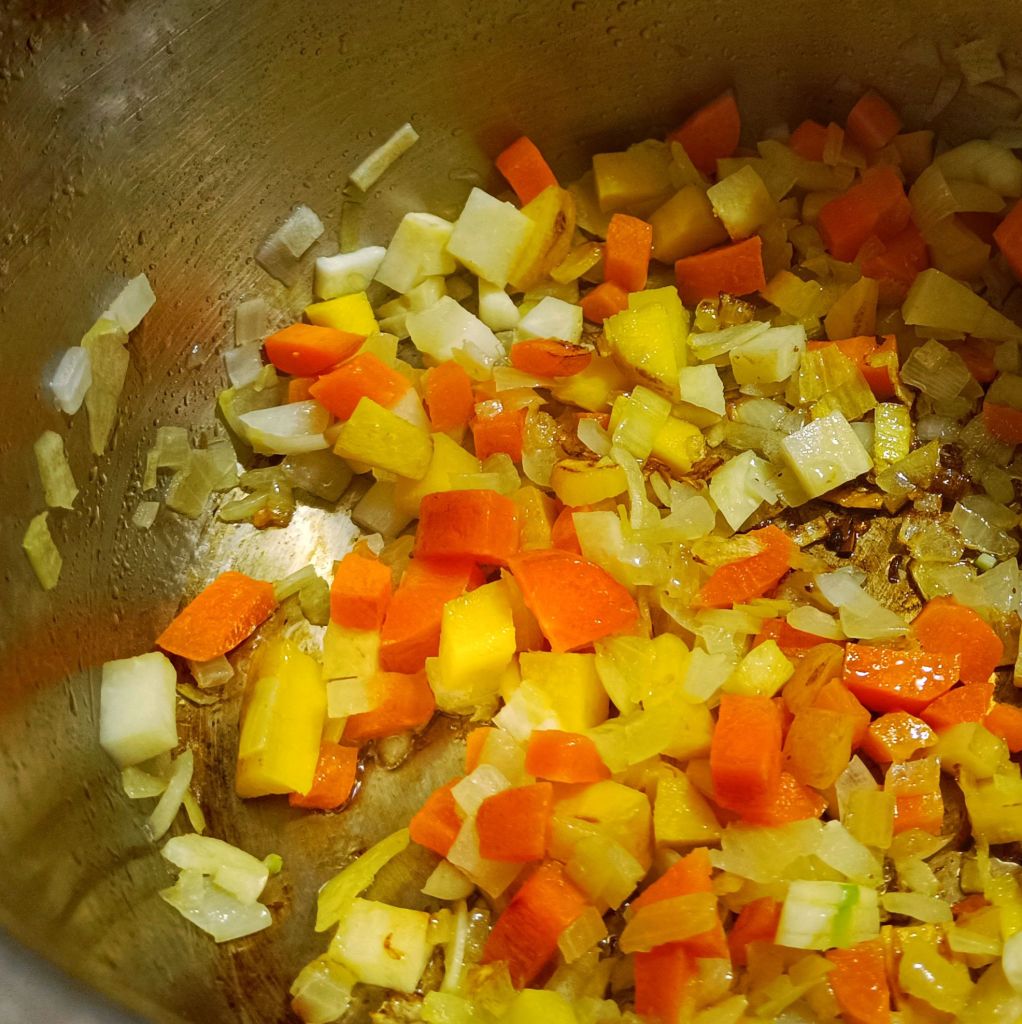
First, prepare the ragú. Heat olive oil and fry finely choppe carrot, celery and onion (and garlic, if using) on medium heat until soft.
Add meat and fry until grey, occasionally stirring.
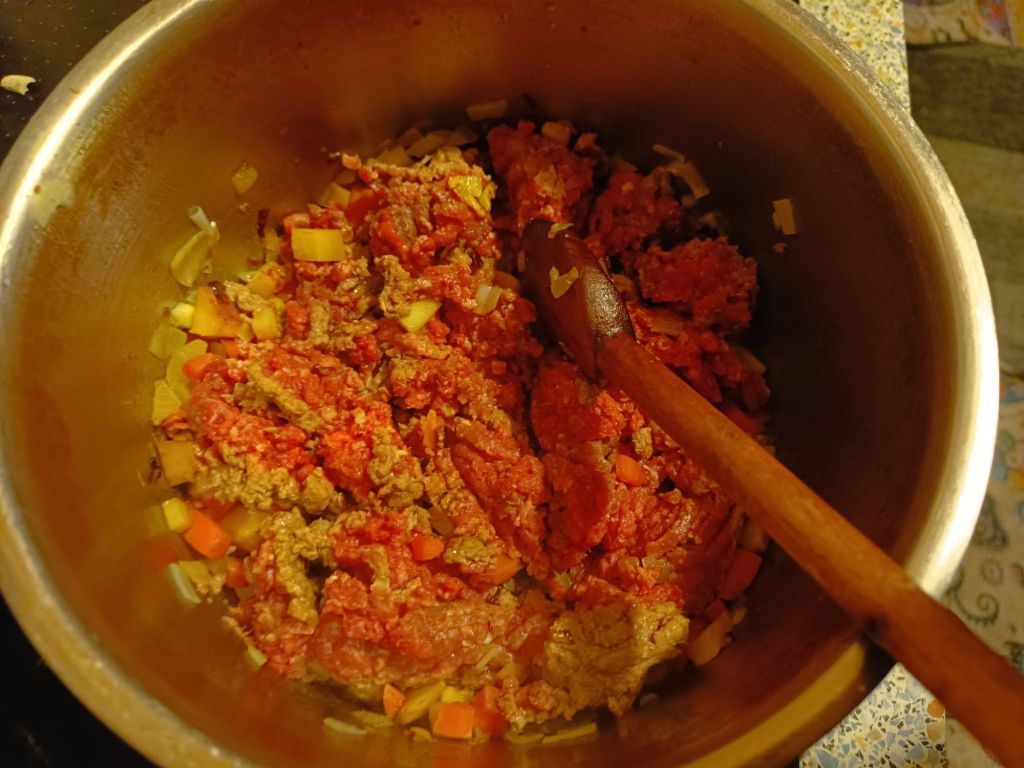
Stir in salt and pepper, and – if using – thyme and pepper paste. Add wine. Stir and continue frying until almost all of the fluid is evaporated.
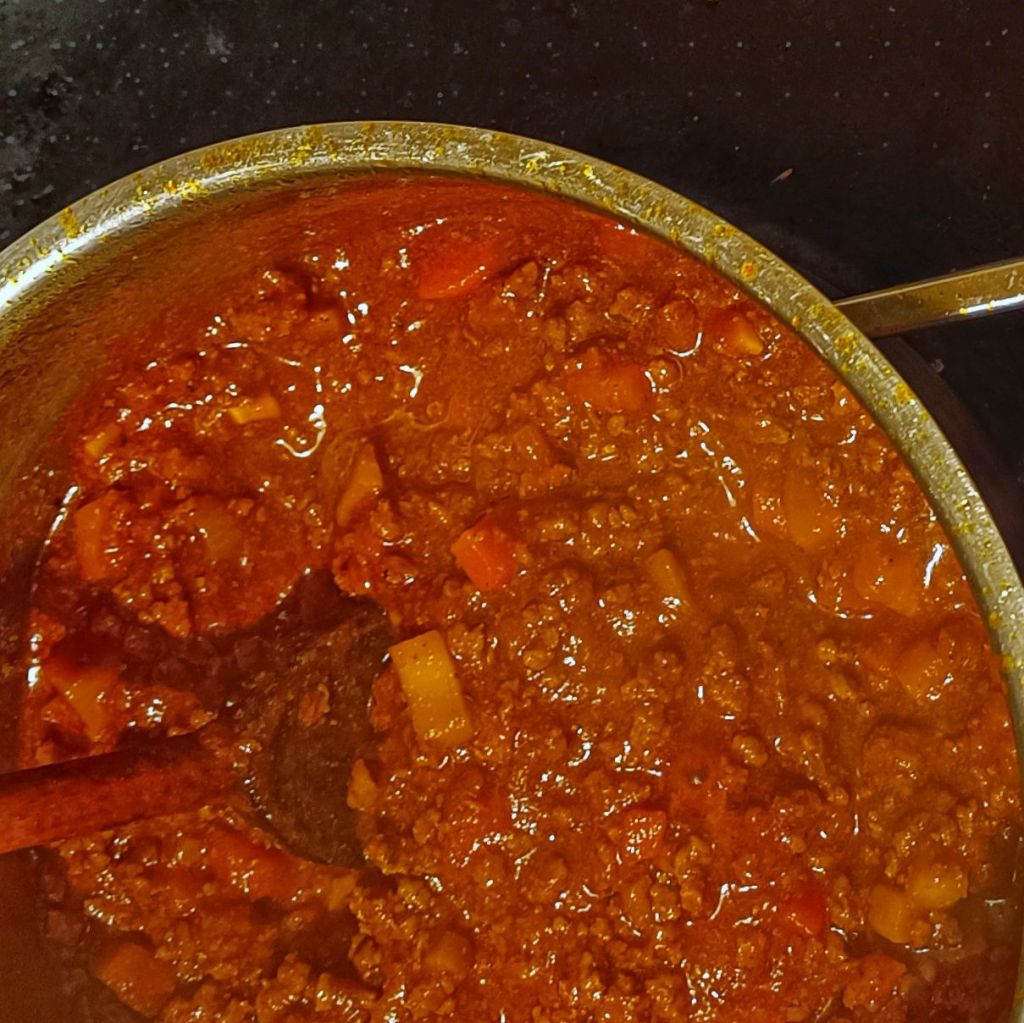
Add hot broth and passata, stir well, reduce heat to low and cook for a minimum of 2.5 hours, occasionally stirring, until the sauce isnice and thick. Add milk, stir well, cook for another 5 minutes. The ragú is now done.
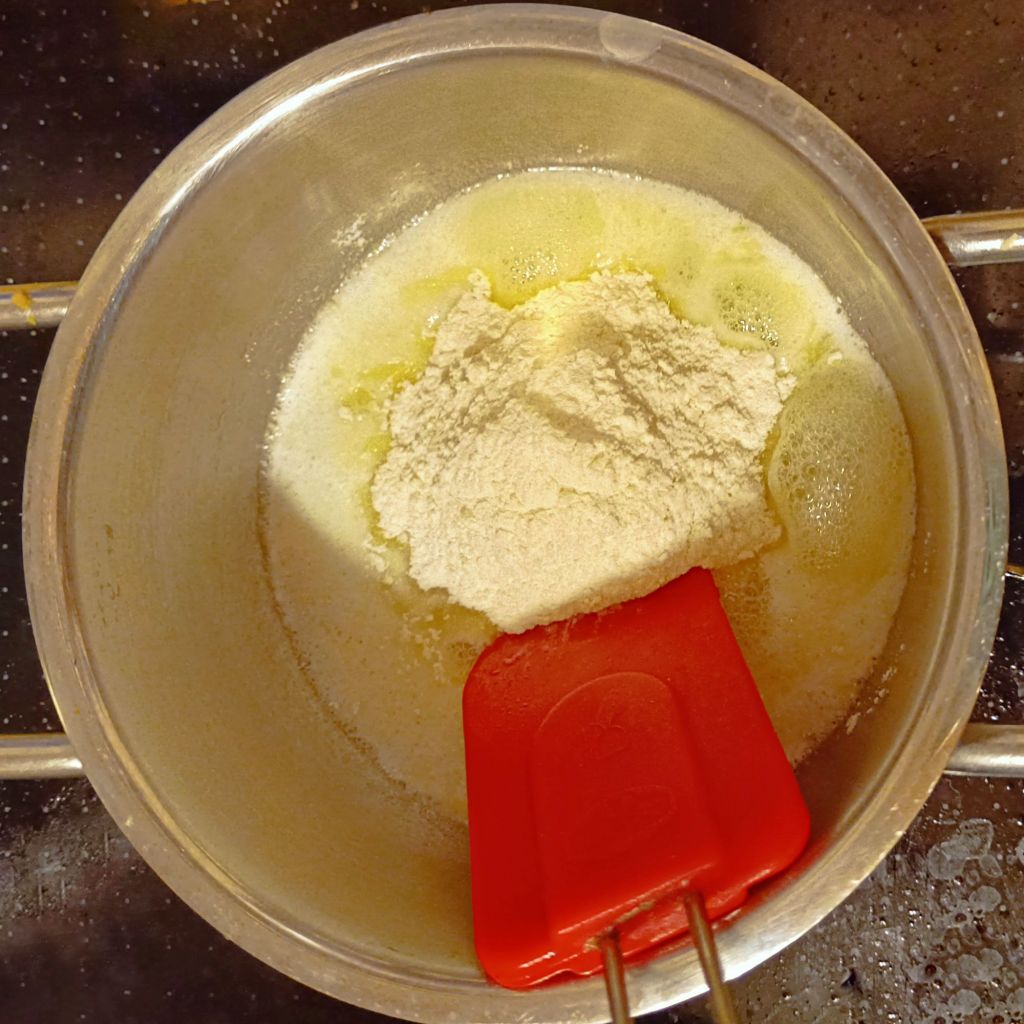
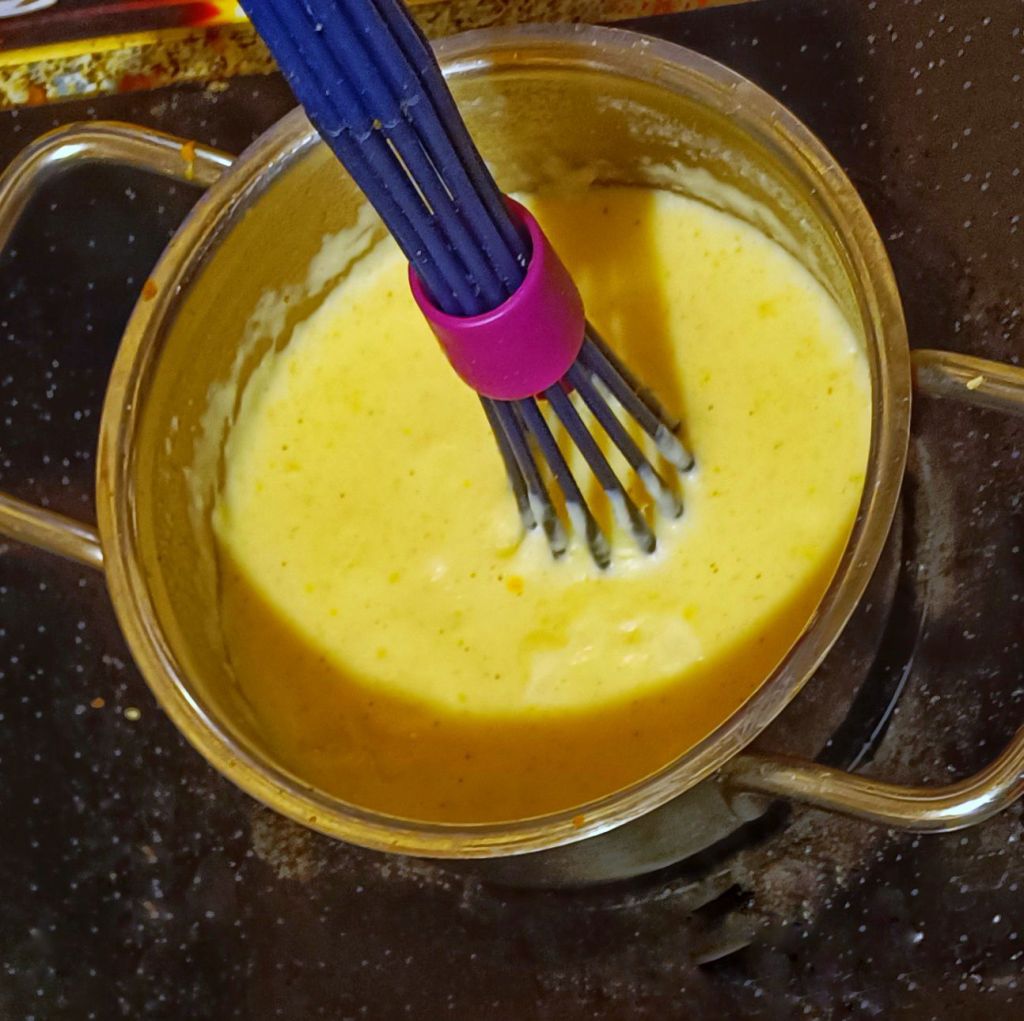
Half an hour before it is done, start making the bechamel. Melt butter, fry flour until golden, lowerheat, stir in milk, cook a few minutes, add nutmeg and salt to taste.
Preheat the oven to 180°C.
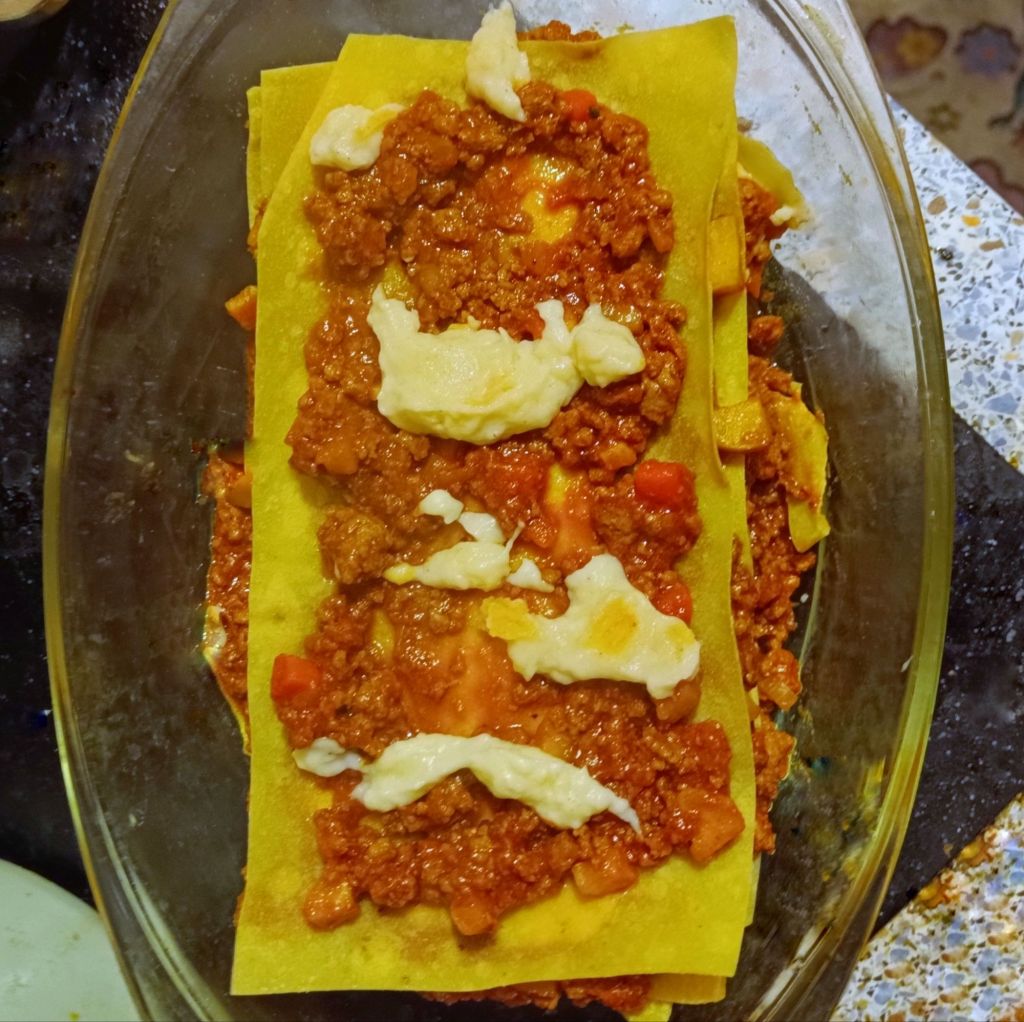
Take an ovenproof pan with high edges. Put some of the ragú on the bottom. Then start layering: Each layer is ‘lasagna sheet – ragú – blobs of bechamel’, until you run out of one of the ingredients, or your lasagne become higher than the pan. *** Finish of with a generous amount of grated parmesan.
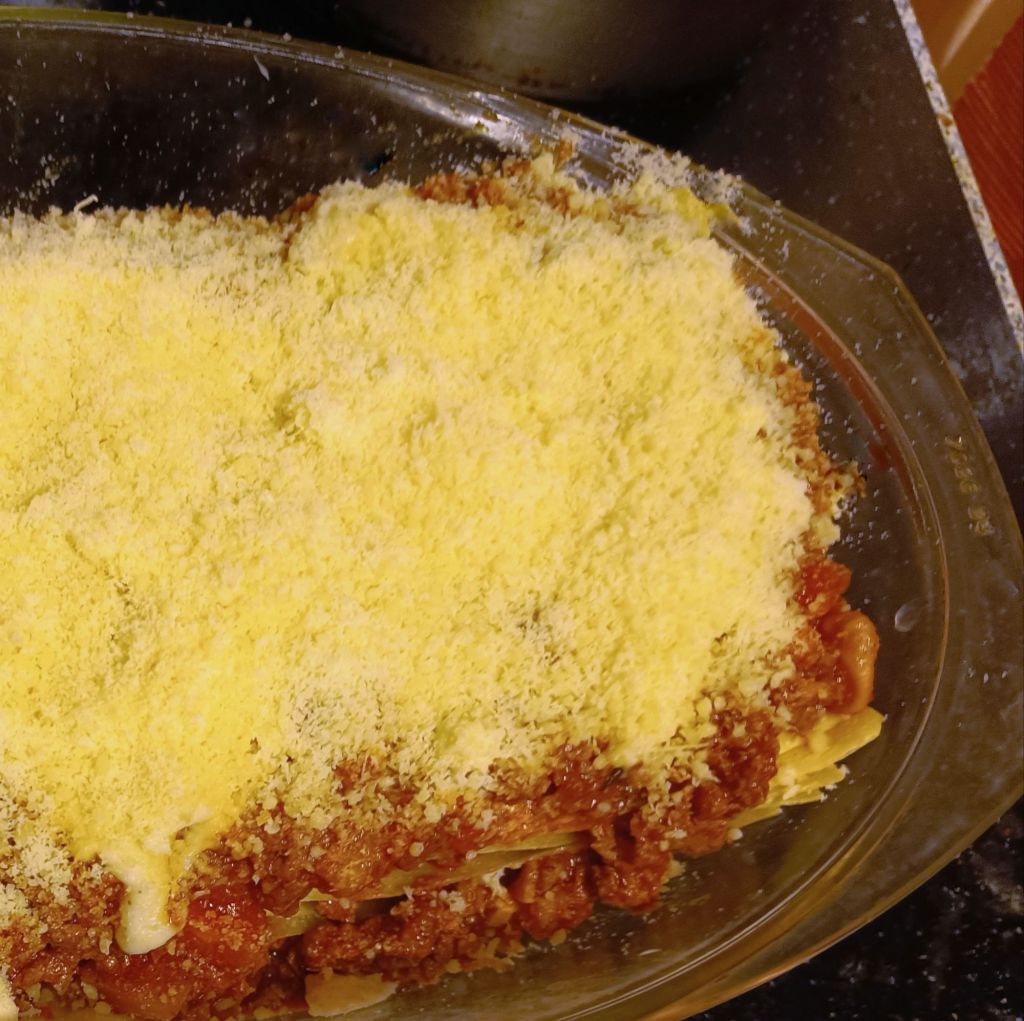
Cover the pan with foil. Bake in oven for 30 min. Remove covering, turn up the heat to 200°C (and to upper heat only), bake 10-15 minutes more and enjoy!
* originally stalk celery is used, but it is not easily available in Croatia, so I substitied root.
** traditionally this should be omitted, but I find it complements the taste beautifully
*** Leftover ragú can be frozen and used for pasta alla bolognese. Leftover lasagne sheets can be cut into pasta for, e.g., soup. Leftover bechamel can be used (same day though) for croque monsieur or croque madame.
 Cooker on the Orient Express