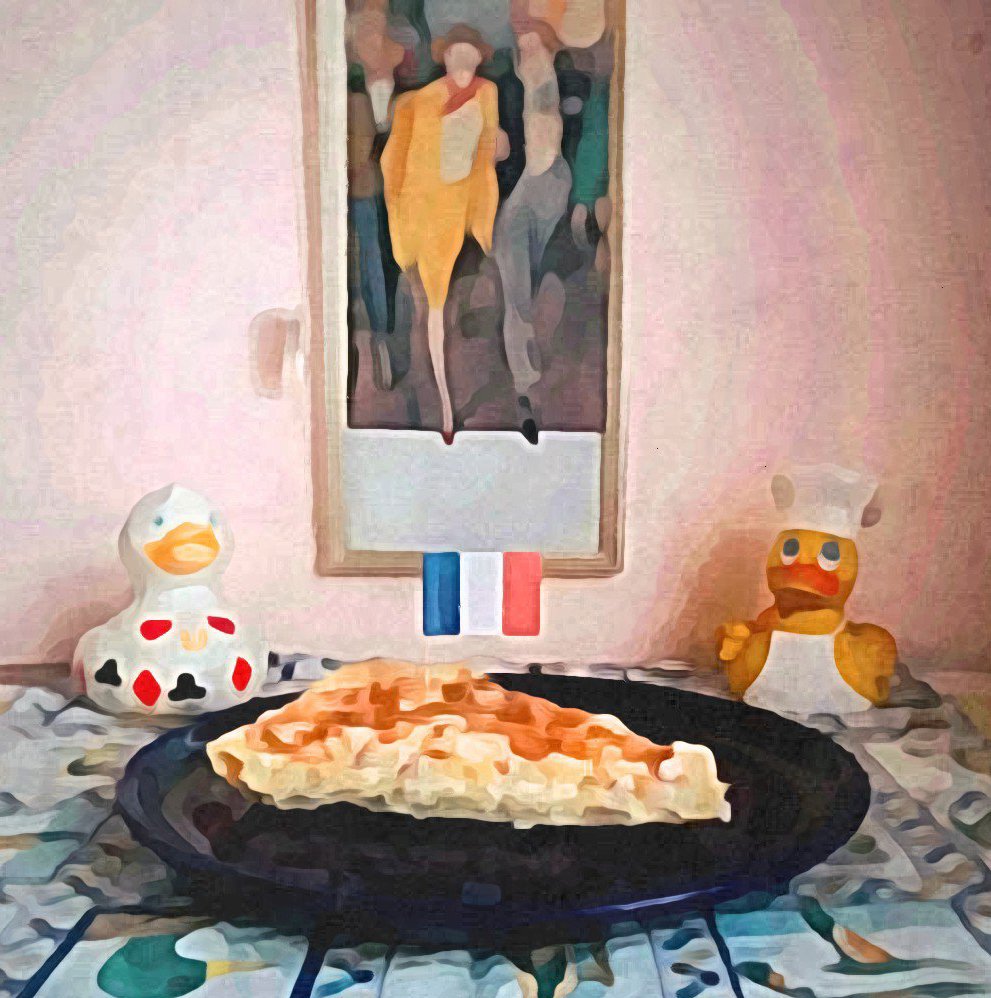
Almost everyone heard of quiche Lorraine, most of you, dear readers, have probably eaten or even made it themselves. However, do you know that what is usually served as quiche Lorraine is not a proper one? A true quiche Lorraine should have neither cheese nor onions in it. It is mentioned by name at least since 16th century, but back then the bottom was of bread dough, it changed to the modern crust during the centuries. The filling of quiche Lorraine is just a mix of eggs and creme fraiche, a migaine as the French call it, and (since the 19th century) bacon. If you add cheese, it becomes quiche Vosgienne (from Vosges, mountain range between Lorrain and Alsace). As a cheese addict, of course I prefer this variant 🧀 😊
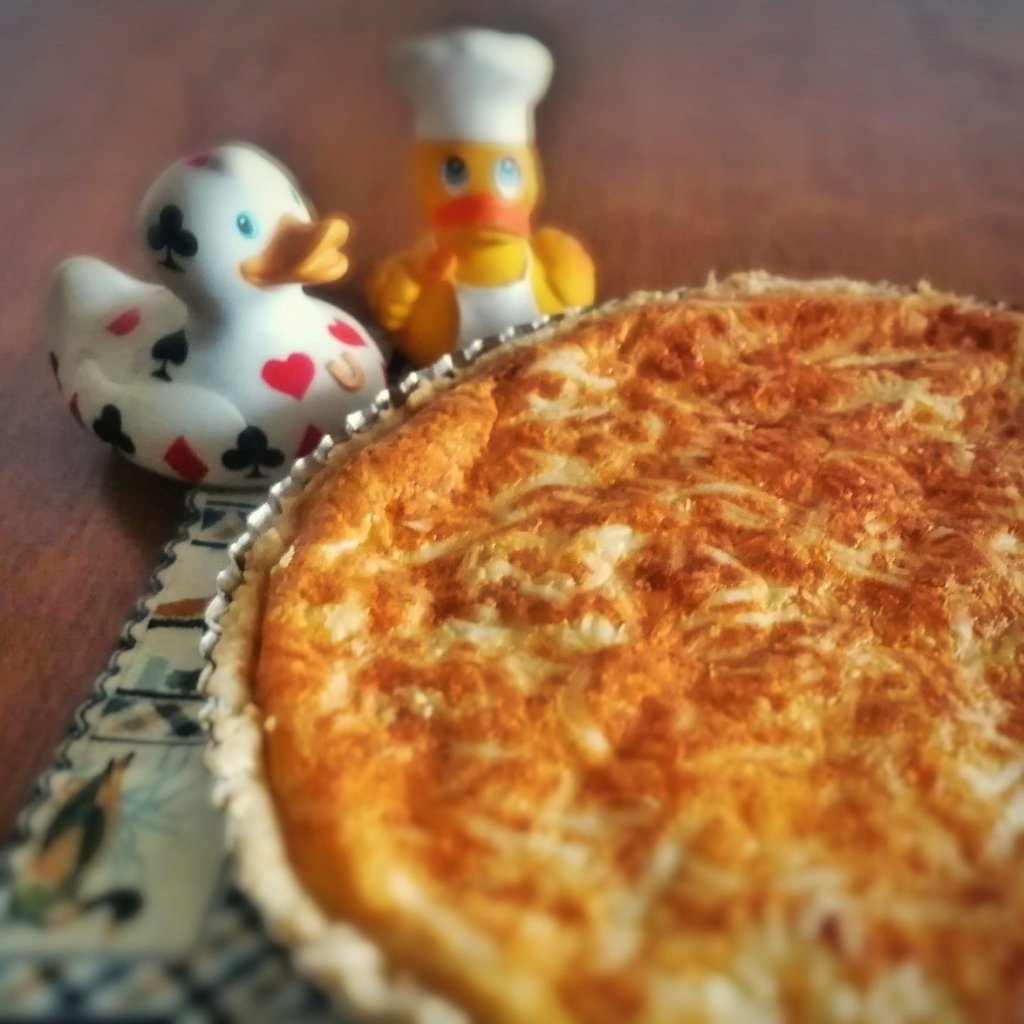
It was quite a challenge to make it really good here in Croatia though. Namely, neither creme fraiche is generally available, nor gruyère, comté or similar cheese. Consequently I improvised, and the result was, I think, really good. I am writing the details down for anyone living in Croatia or surrounding countries as they may encounter the same problems (the details of my substitutes are at the bottom of this page). For all the rest – just use proper creme fraiche and a mix of gruyère and comté cheese as original French recipes suggest, or any cheese of your choice as long as it is hard enough to grate and fatty enough to melt beautifully in oven. I made two more changes to the traditional recipes: I mixed bacon and dry cured ham instead of using just bacon, and I added some garlic powder into the migaine. Definitely both worked more than just fine!
Do you want to indulge yourself with this really not slim-figure-friendly comfort food? Voilà, here is my recipe!

⌚ 10 min for dough + 30 min waiting time + 75 min preparation and cooking time
🇫🇷 🇫🇷 🇫🇷
🌱🌞🍂⛄ (best in ☃️ because of high fat content)
Suitable for: Quiche Vosgienne is neither halal nor kosher nor vegan nor vegetarian. It is not glutene-free, lactose-free, egg_free, but it contains no shellfish and no soy.
PDF-recipe for collecting and printing
Ingredients 🛒 (for a 26 cm diameter quiche form, serves 4)
Pastry: 300 g sieved soft flour, 1/2 tsp salt, 150 g cold butter, 80 ml tepid water + 1 tbsp butter for buttering the form
Filling: 125 g meaty smoked bacon in small cubes, 75 g dry cured ham in small cubes, 2 whole eggs, 2 egg yolks, 1/2 tsp grated nutmeg, 1/2 tsp garlic powder, 1/2 tsp black pepper, 350 ml creme fraiche (or substitute*), 150 g grated cheese (see notes above and my choice**)
How to 🍳
Mix flour with salt. Cut butter flakes into it and quickly, without too much kneading, combine into though, adding the water in bits. As soon as it is unified, flatten, wrap in cling film, and put into fridge for half an hour.
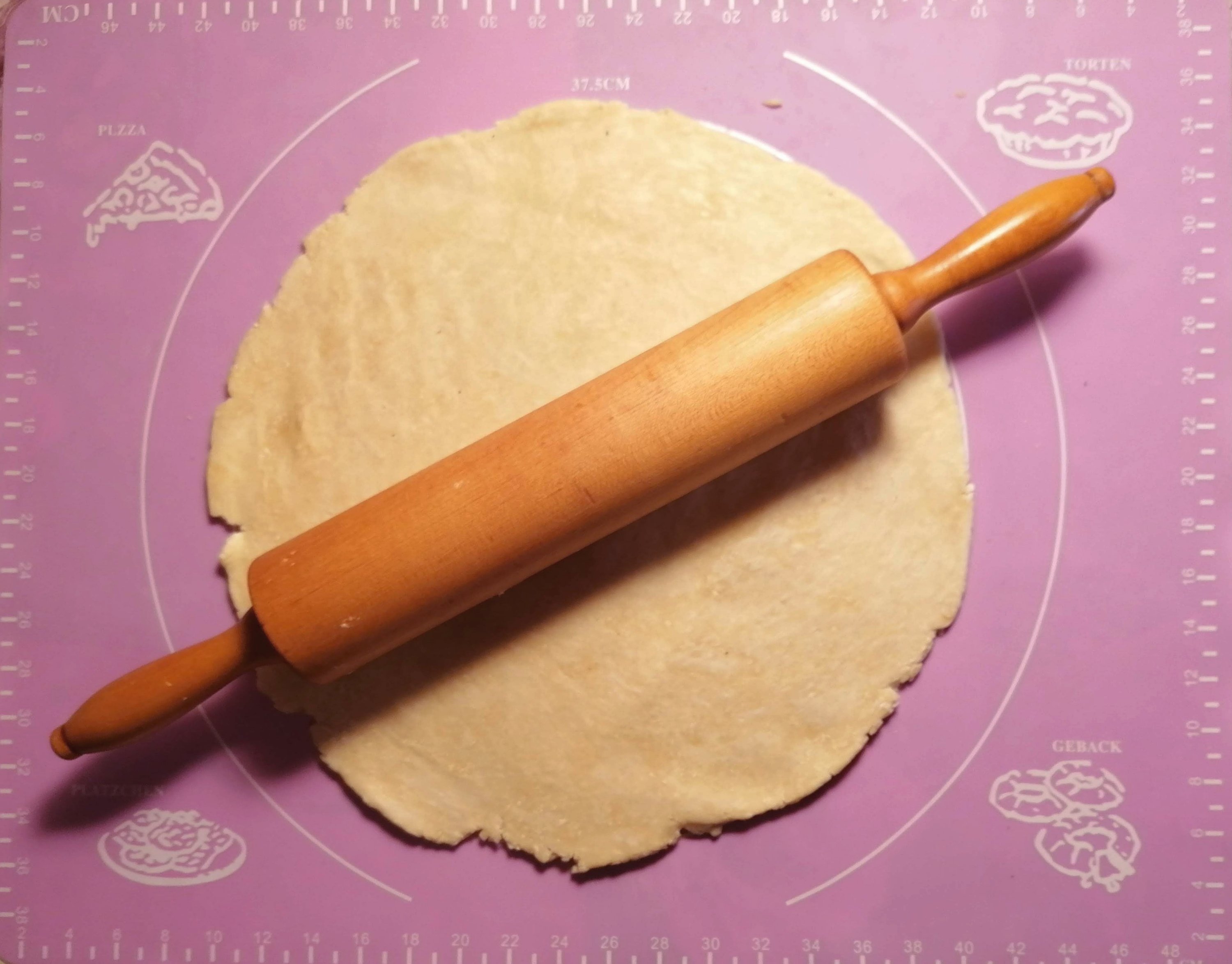
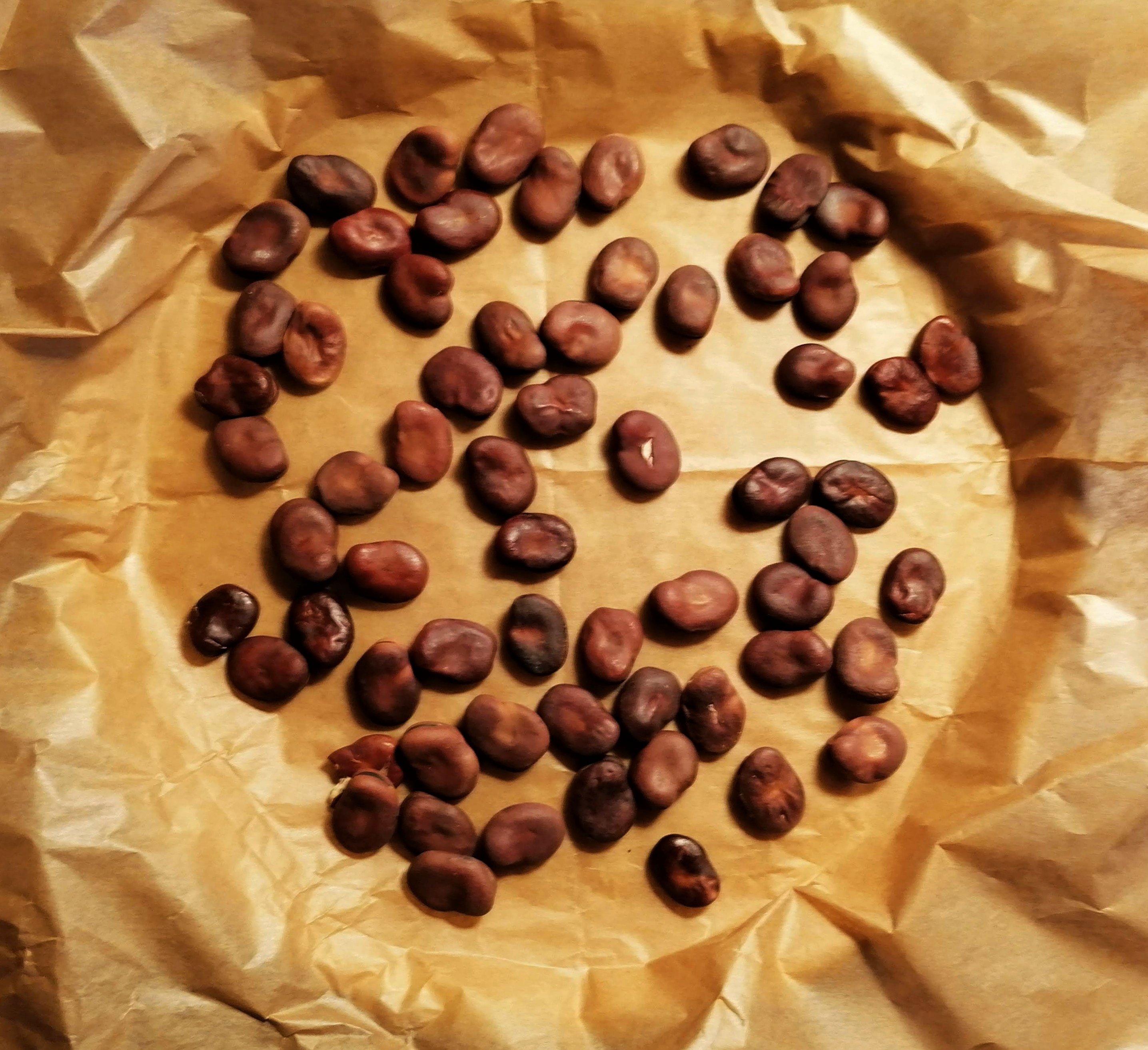
Then roll out to a circle, 30 cm in diameter (about 2-3 mm thick). Butter the quiche form, transfer the dough to it, press along inner edges, trim the edges, prick with fork, cover with baking parchment and put dry beans on top. Place into preheated oven (180 degrees Celsius) for 15 minutes. Remove the paper and beans, bake for 5 minutes more.
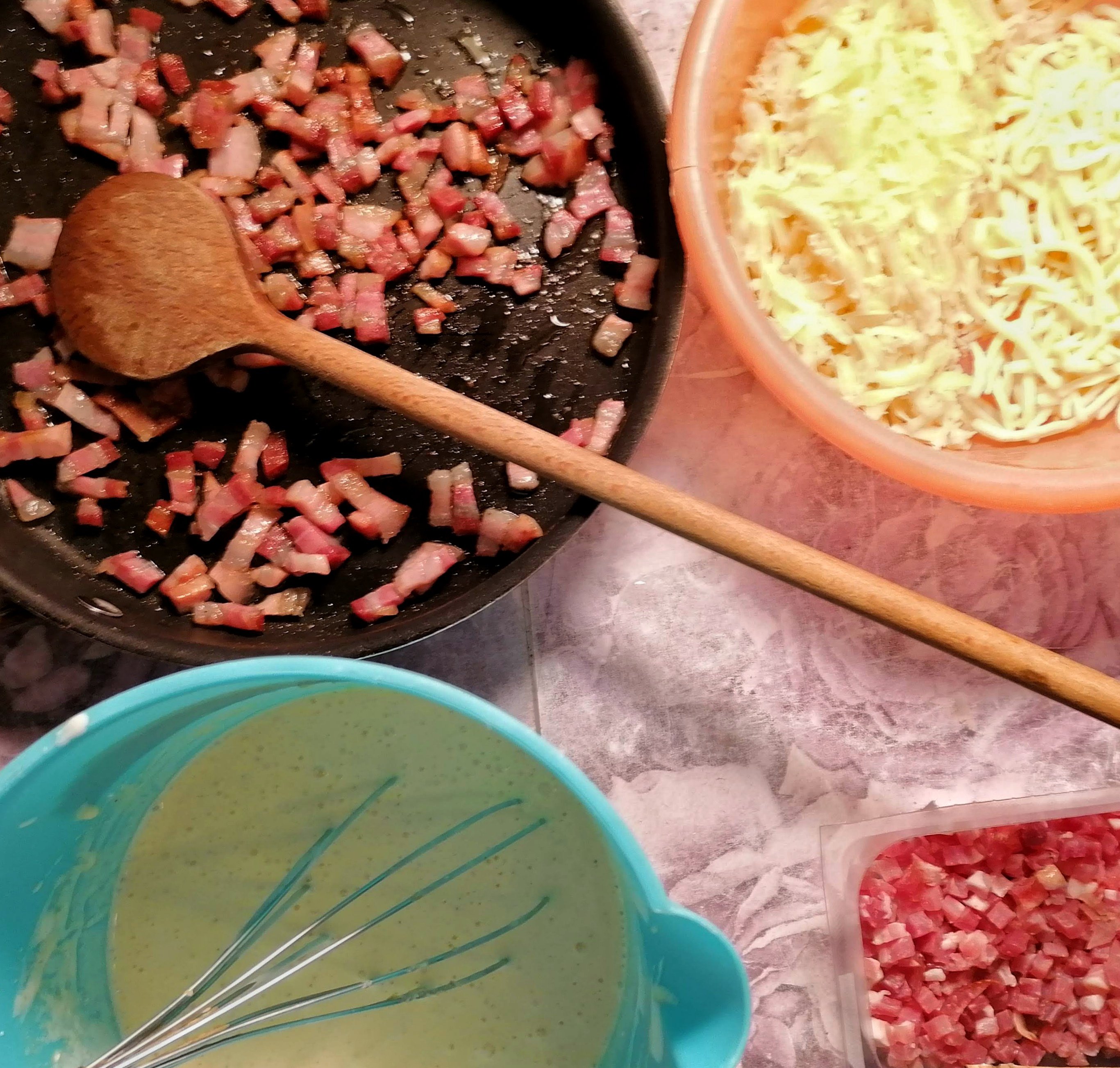
Meanwhile, heat the cubed bacon in a dry pan until the fat melts, and bacon is just about to become crispy, then drain the fat on a paper towel. Mix eggs, egg yolks, nutmeg, pepper, garlic powder and creme fraiche into a smooth liquid (migaine). Grate the cheese.
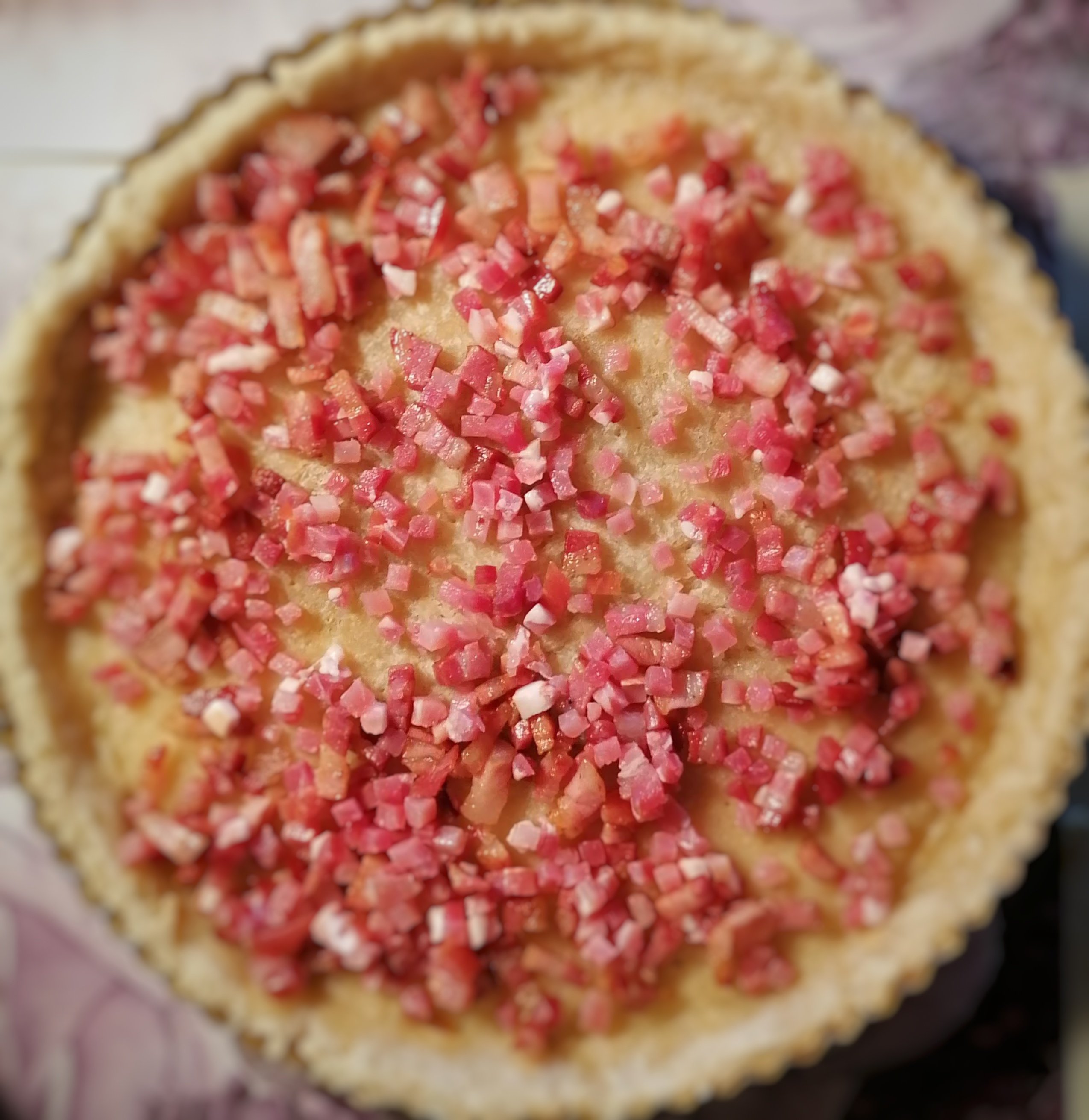
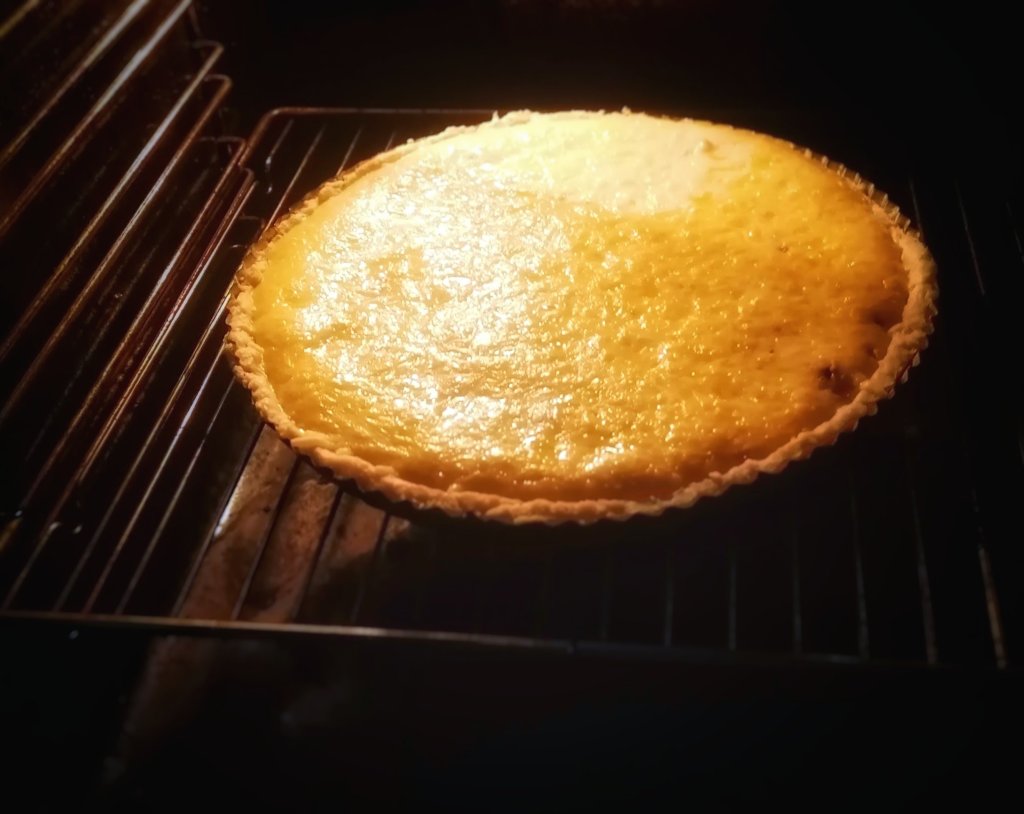
Take the crust out of oven, turn down the heat to 150 degrees Celsius. Spread the bacon and ham on the crust evenly, pour the migaine over it, sprinkle evenly with cheese. Return to oven, bake for 45 minutes. Turn the heat up back to 180 degrees Celsius, bake ca. 10 minutes more (until cheese is reddish golden). Serve and enjoy, bon appetit!
* My creme fraiche substitute was a mix of extra fatty sour cream (30 % fat), mileram (a kind of sour cream available in Croatia, with 22 % fat) and village liquid sour cream (the kind sold in Croatian markets by farmers who sell fresh cottage cheese), in 2:1:1 ratio.
** Instead of comté and gruyère, I used a cheese named bovidur (a Croatian nutty, buttery flavoured cow cheese) mixed with edamer cheese (in approximately 2:1 ratio).
 Cooker on the Orient Express