Some of you, my dear readers, might be puzzled about Italian food featuring in this Orient Express themed food blog. Notwithstanding, Italy has the same right to appear in it as has Switzerland, Slovenia, Croatia, Serbia – all of these countries lie on the Simplon Orient Express route, and Hercule Poirot travelled with a Simplon Orient Express train in the famous Agatha Christie story which inspired the name of this blog. Of course, Rome was not on this route, but Milan and Venice were and I am quite positive that you can find saltimbocca alla romana in northern Italy too ☺️ However, I only visited northern Italy a few times and that was around 1980, unfortunately I don’t have any food photos from these travels.
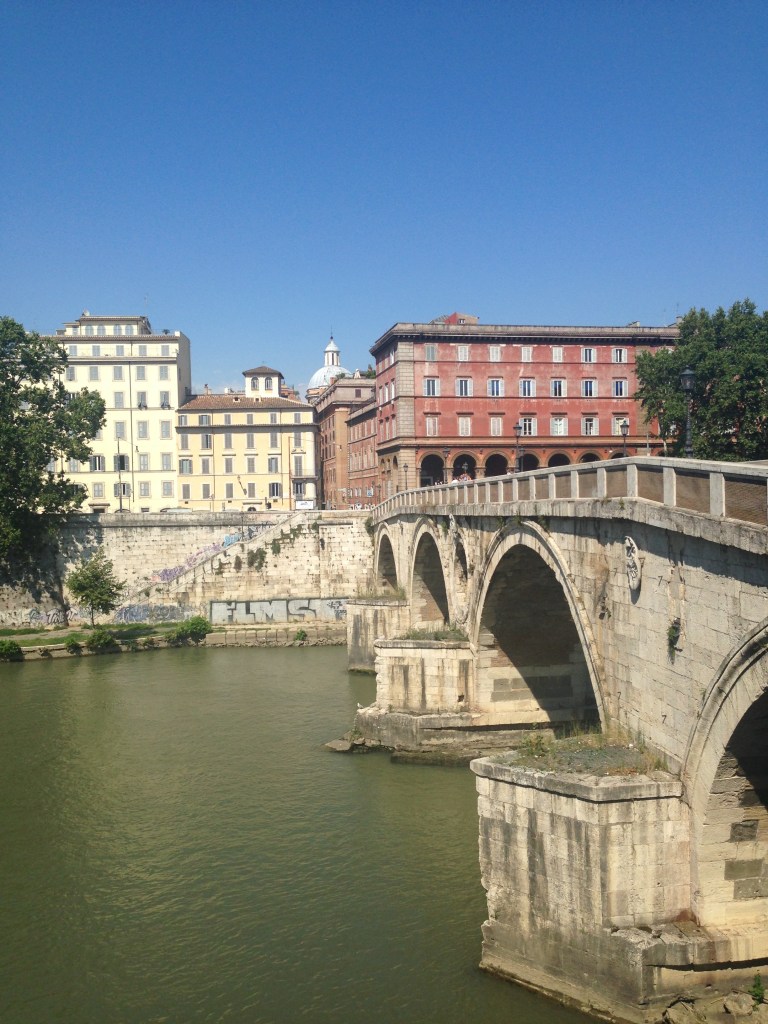
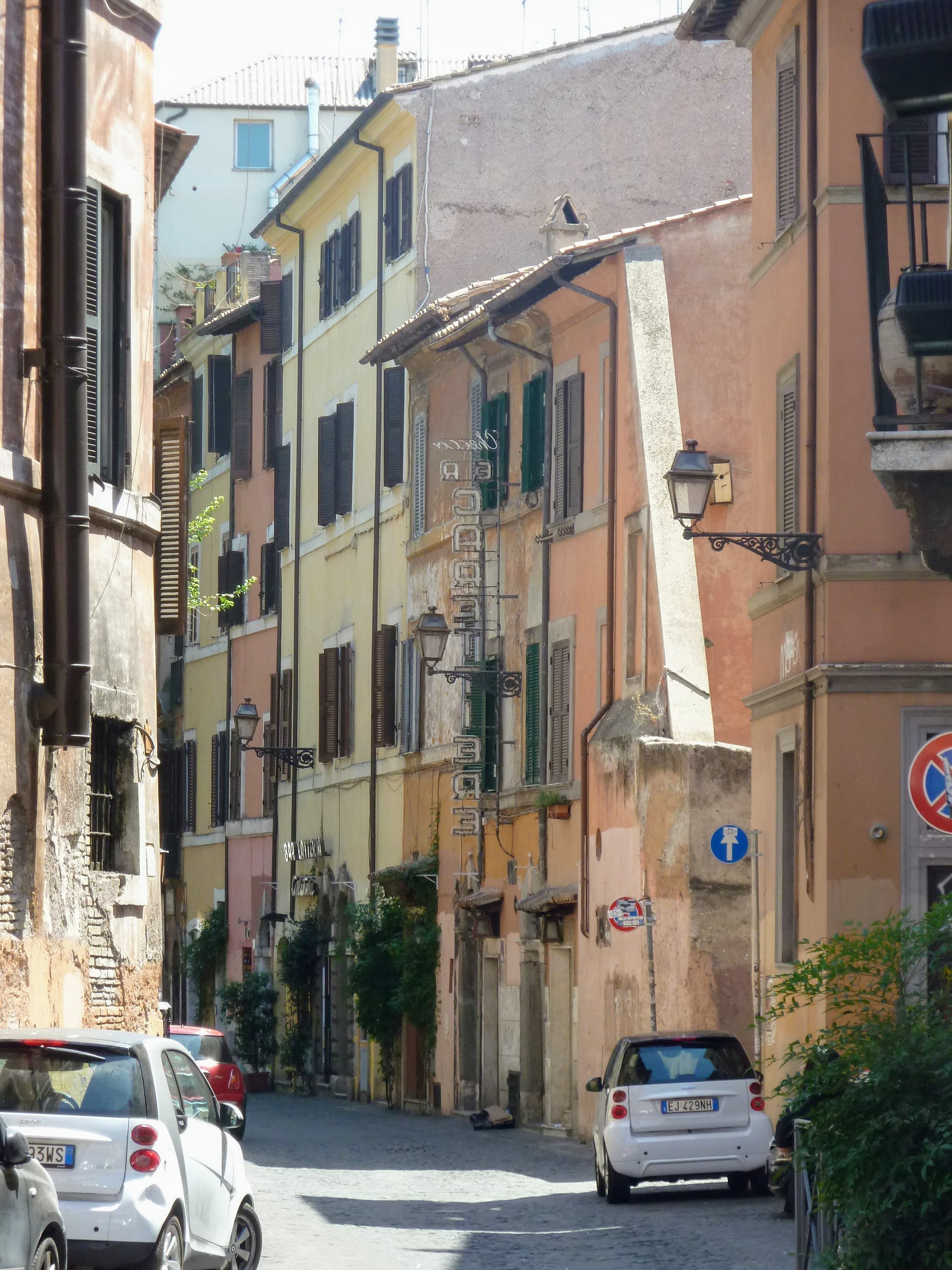
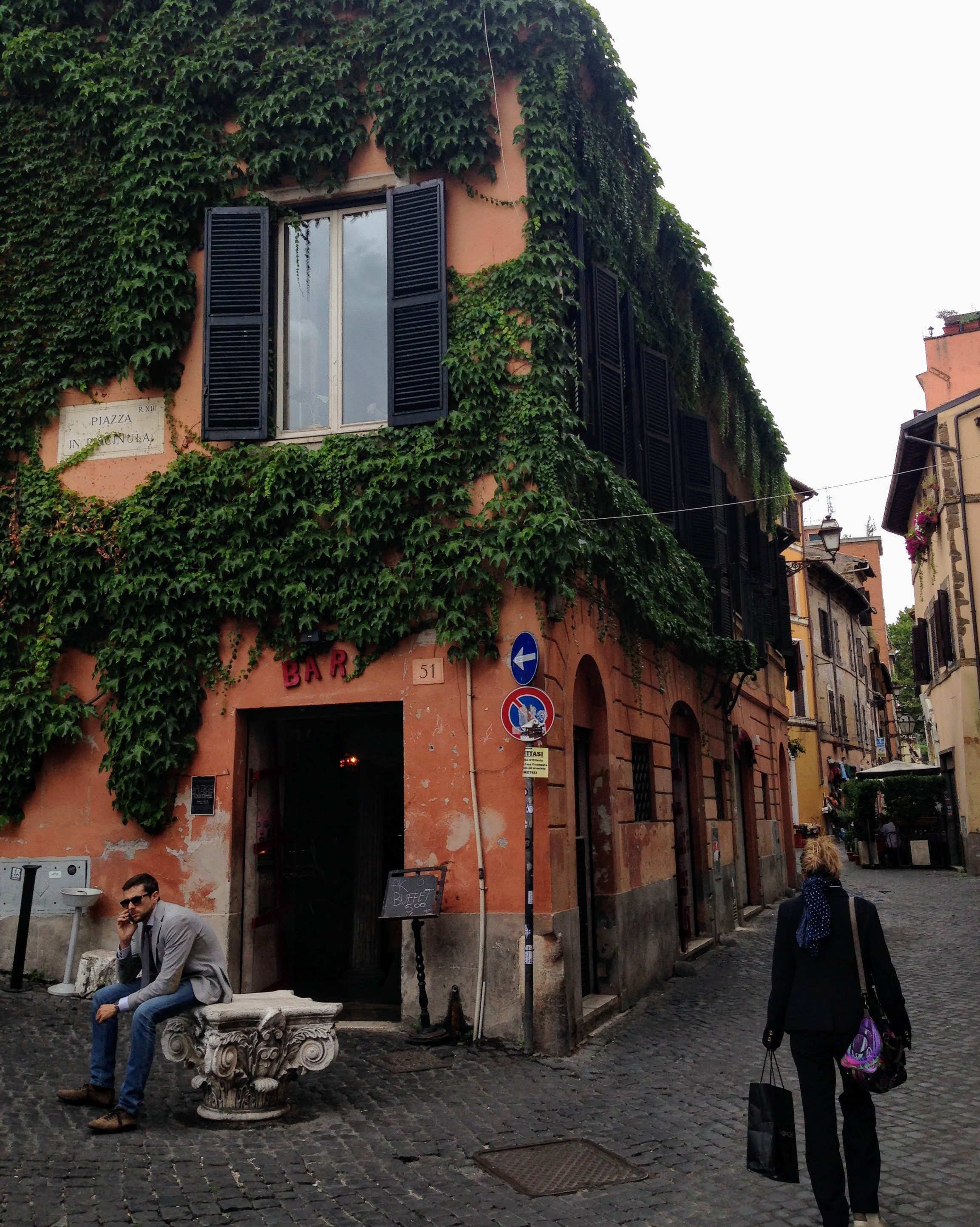
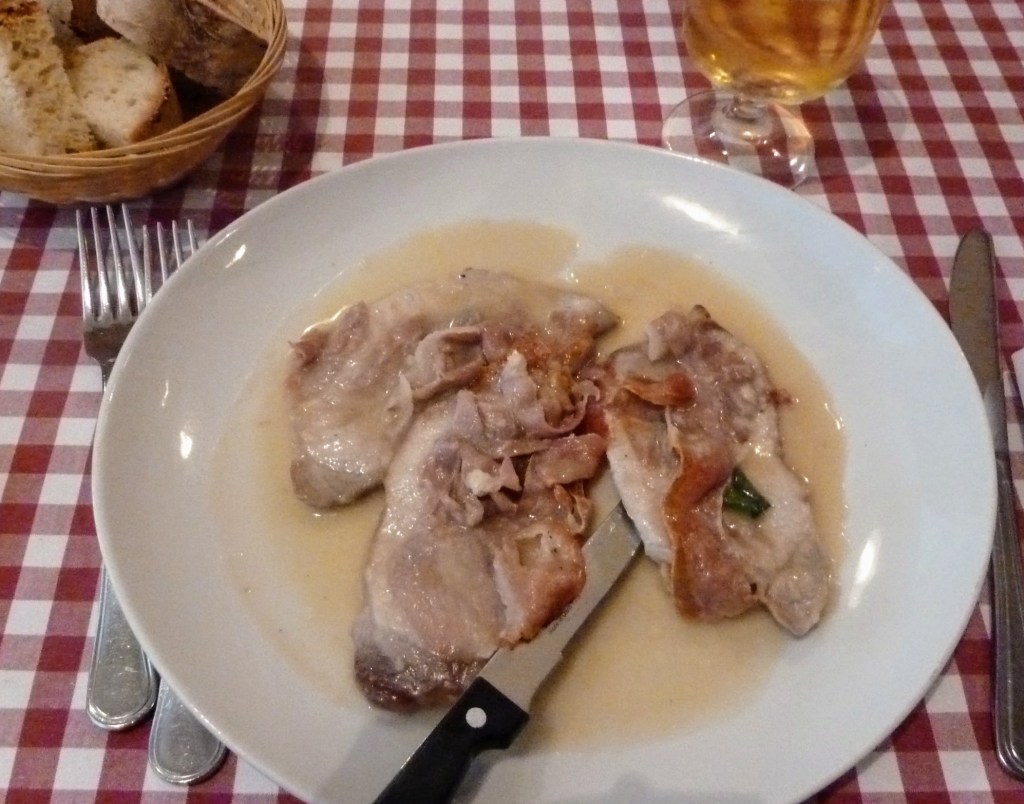
Saltimbocca alla romana is a simple dish that is wonderful in its simplicity. It is (excluding pizza and pasta of course) one of the internationally best known Italian dishes. Its history is unclear, but it is being served at least since end of 19th century. So, when in Rome, eat a saltimbocca, or two. I ate three as I visited Rome three times. Each time I had one in a different place and the one in the top picture I liked best. I ate it 2015 in a small osteria in Trastevere, across the river Tiber, a part of Rome particularly well known for its cafes, trattorias, osterias,…
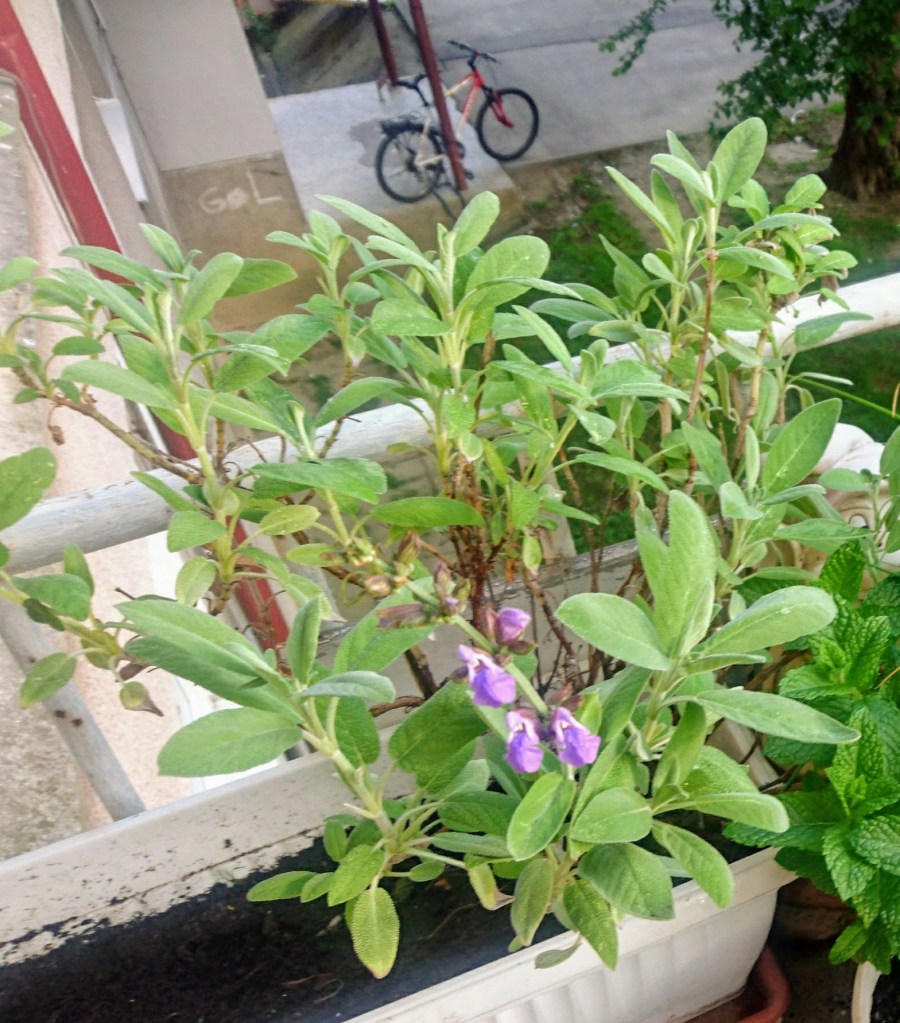
So, what is saltimbocca alla romana and what does its name mean? This ultimate Roman dish consists of veal schnitzels lined with prosciutto and, that is the thing that makes its taste so special, fresh sage. This is fried in butter with some white wine. Its name means ‘jump into mouth, Roman style’, and these schnitzels, if made with optimal ratio of the ingredients and with good quality meat, really practically jump into your mouth, it is that delicious! And when you eat it in a rustic restaurant in a not too lively street, but nonetheless just some 15-20 minutes walk from Vatican (it is on that side of Tiber too) or the more lively Campo de’ Fiori and Piazza Navona, and the ancient Pantheon on the other side, you simply cannot fail to understand why all roads lead to Rome.
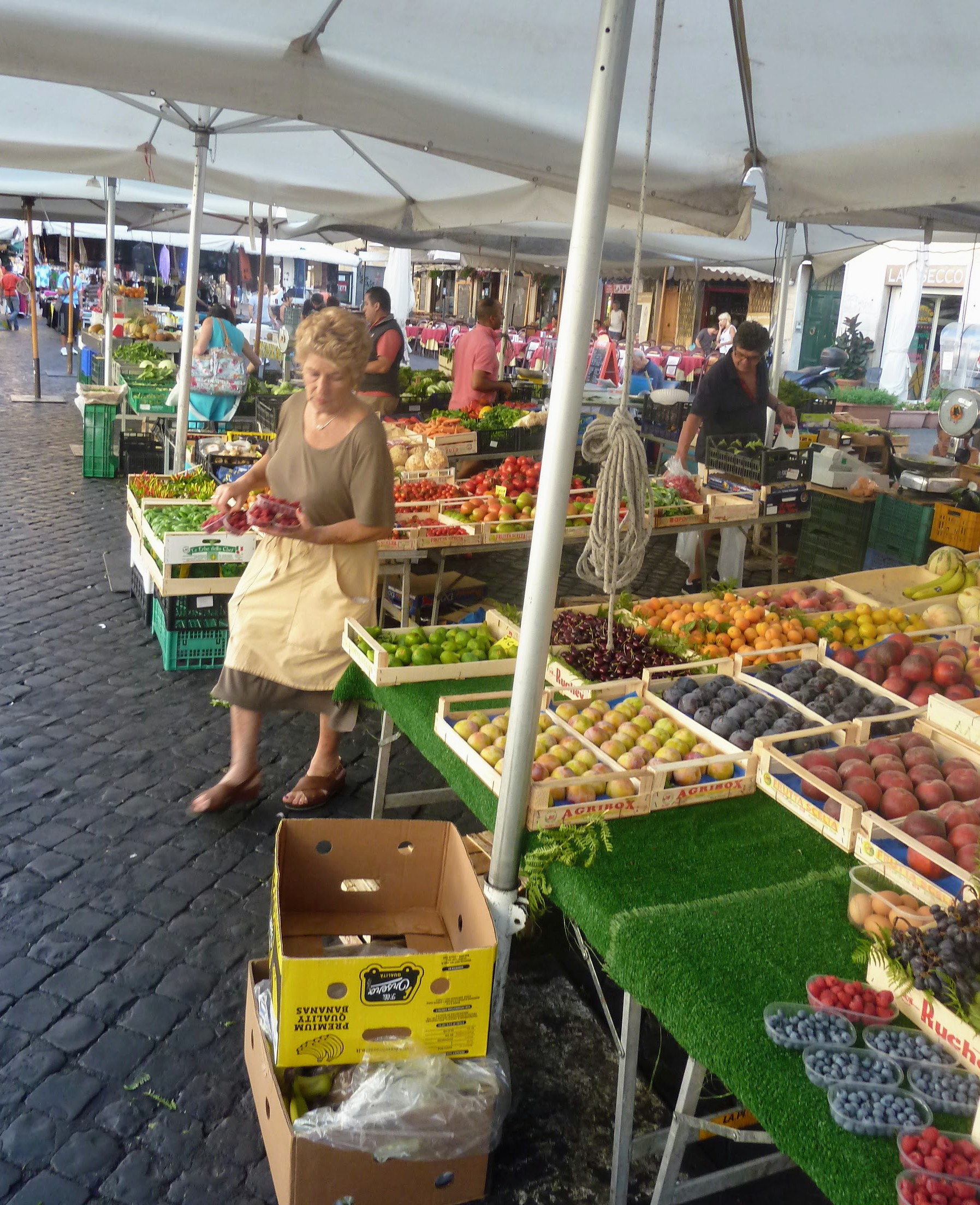
Market at Campo de’ Fiori 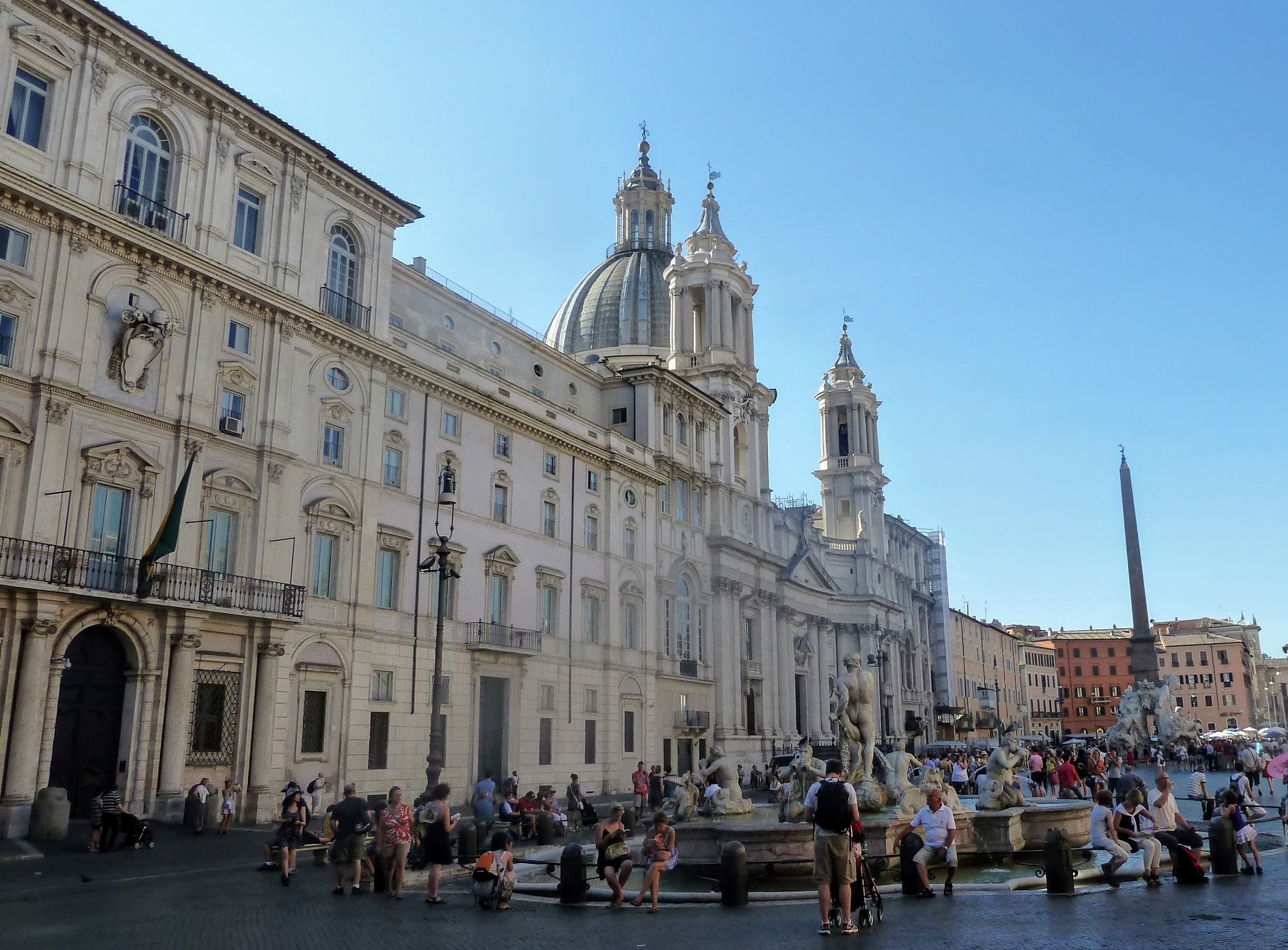
Piazza Navona 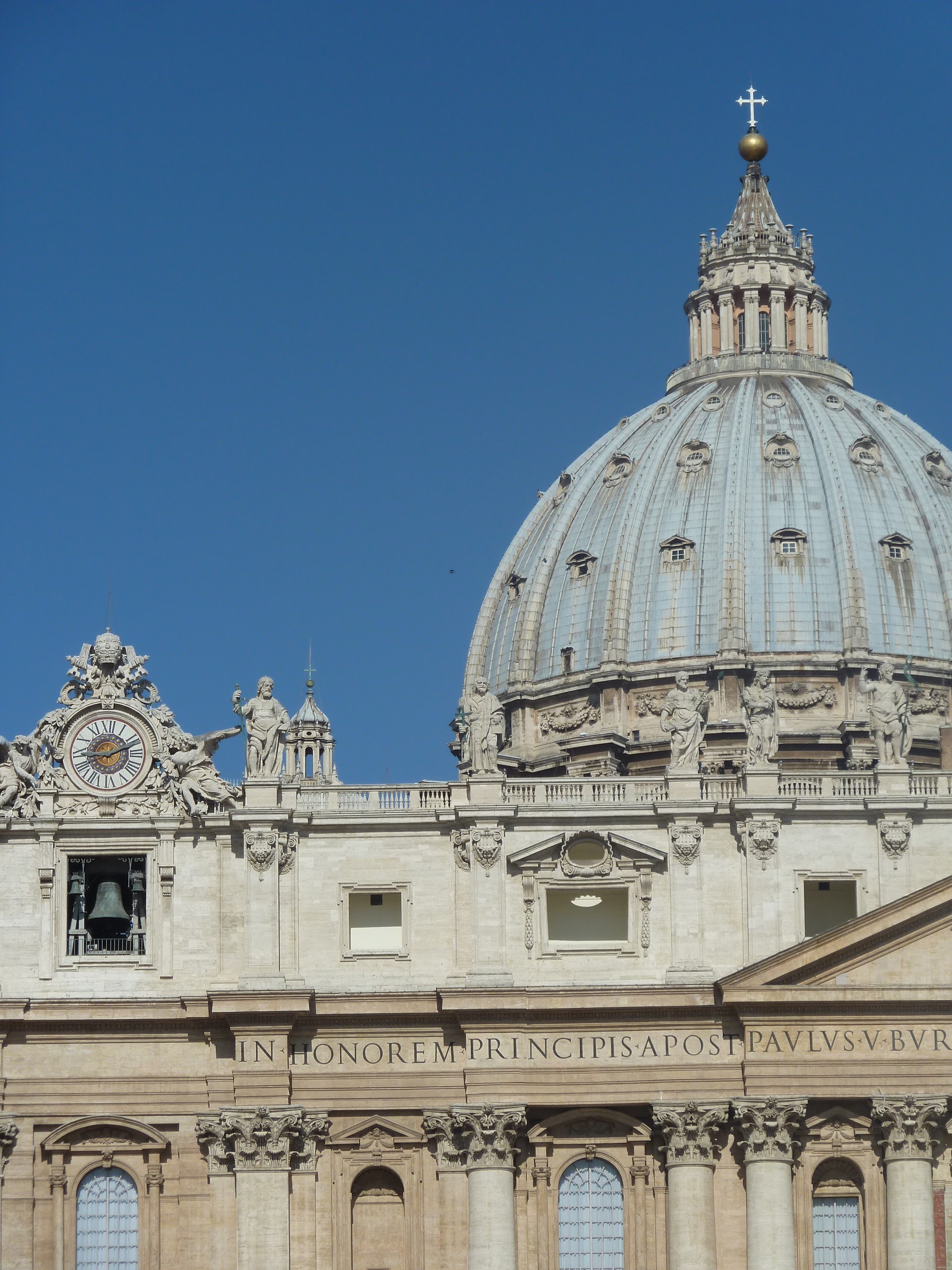
Vatican 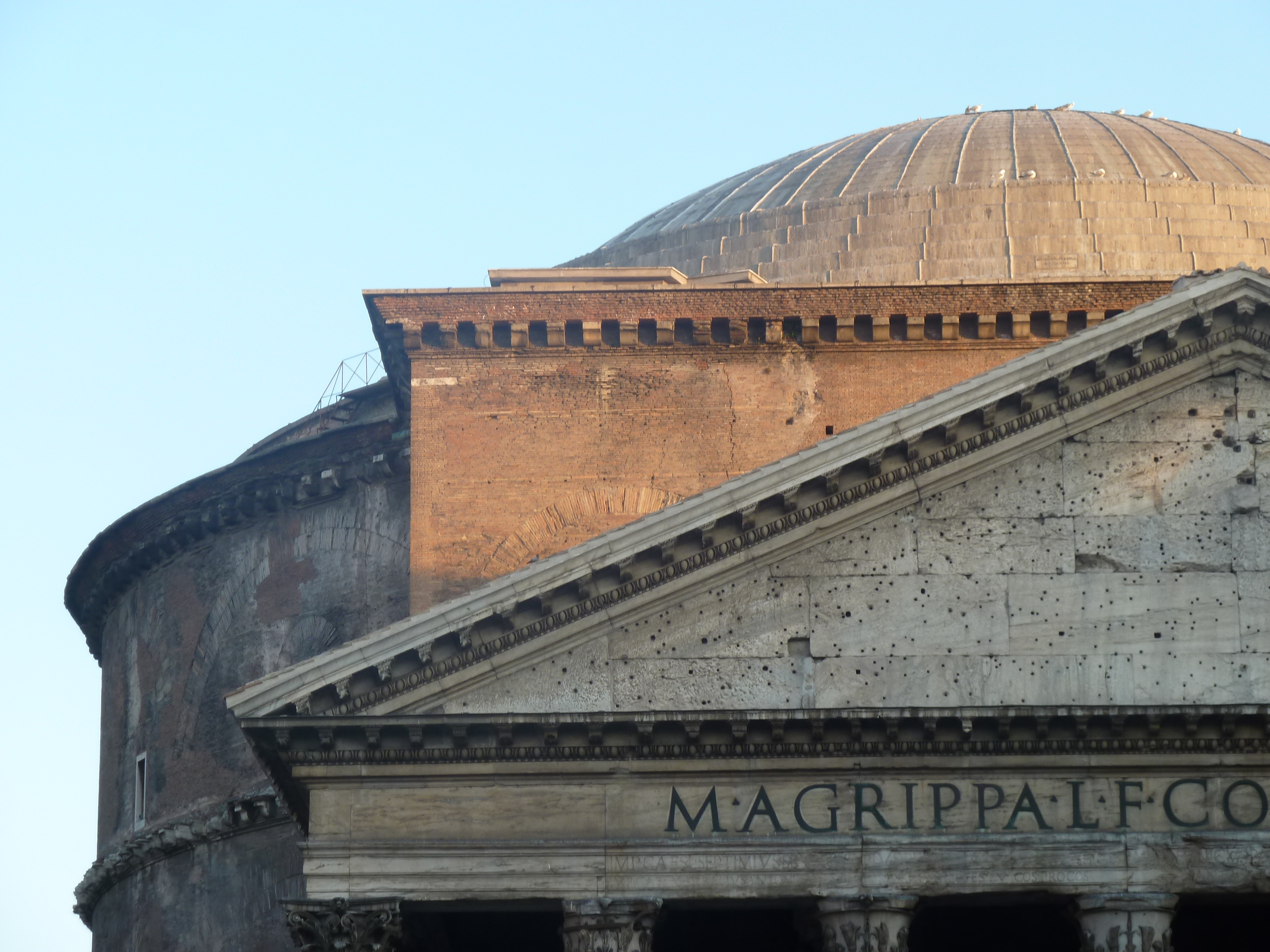
Pantheon
 Cooker on the Orient Express